The answer to the question how long does it take to produce a video with AI is between a few minutes and one hour. A fully automated process includes scriptwriting, video creation with a presenter and voiceover, and preparation for publishing. This is a dramatic time-saver that allows businesses to produce high-quality video content consistently and quickly.
This article is for small and medium-sized business owners who are considering using video for marketing but are concerned about the time, complexity, and costs involved. We'll explain exactly how much time you can save, compare the different options, and show you how it works in practice.
Key Takeaways in Brief
- AI video production with an automated system: minutes to hours.
- Production with a freelance video editor: 3-7 days.
- Production with a traditional production company: 2-4 weeks.
- An automated system saves time on all stages, from writing to publishing.
- The time saved allows for significantly higher frequency of video content production.
Why Time is Your Most Valuable Marketing Asset
In the business world, time is money. For small business owners, every hour invested in marketing is an hour taken away from managing the business, customer service, or product development. Therefore, the efficiency of your marketing activities is critical.
Video is a powerful marketing tool. According to recent data, users spend an average of about 17 hours a week watching online videos, and 88% of marketers report a positive return on investment (ROI). The problem is that traditional video production is a slow, expensive, and cumbersome process that consumes the one resource you don't have – time.
Production Time Comparison: AI vs. Freelancer vs. Production Company
To understand the scale of this revolution, it's important to directly compare the time and resources required for each of the main production methods. The following table details the fundamental differences between automated AI-based production and working with professionals.
| Feature | AI Production (Automated System) | Working with a Freelancer | Production Company |
|---|---|---|---|
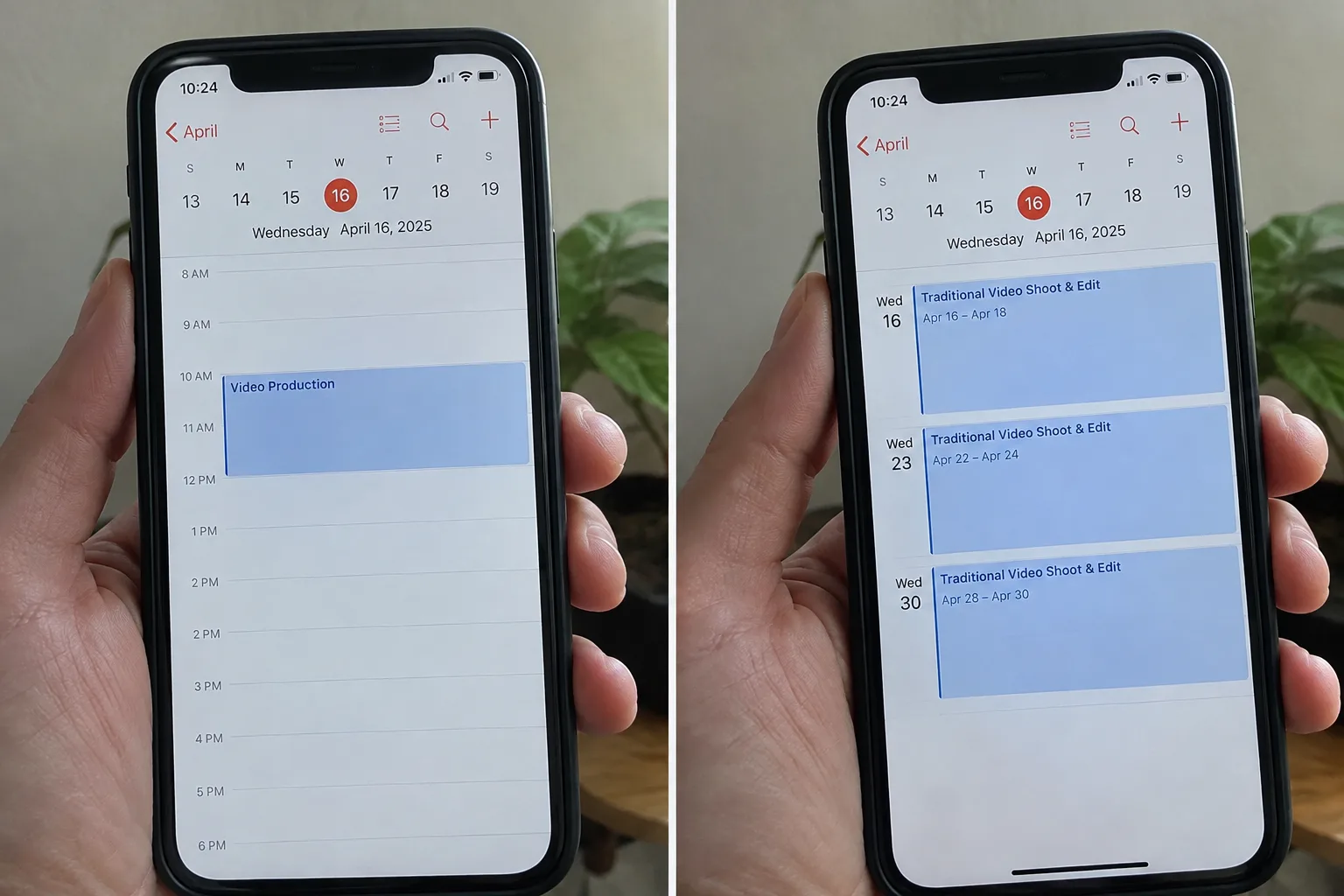
| Average Production Time (for a 1-min video) | 15-60 minutes | 3-7 business days | 2-4 weeks |
| Your Management & Communication Time | Approx. 15 minutes | 5-10 hours (brief, feedback) | 15-30 hours (meetings, approvals) |
| Possible Production Frequency | Daily | Weekly | Monthly / Quarterly |
| Estimated Average Cost | Based on a low monthly subscription | ₪1,000 - ₪3,000 | ₪5,000 - ₪15,000 |
As you can see, the differences are enormous. An AI system allows you to produce a video in less time than it takes to write a brief email to a freelancer. This saving accumulates, enabling you to build a consistent and significant video presence instead of settling for a single corporate video once a year.
Breaking Down the Production Process: Where Does AI Save You Time?
The time savings don't just come from "faster editing." It comes from automating the entire process, stages that usually require coordination, meetings, and an endless back-and-forth of emails.
Step 1: Scriptwriting and Ideation
In a traditional process, you need to think of an idea, write a brief, send it to a copywriter, receive a draft, give feedback, and so on. This process can take several days. An AI system learns your business and writes tailored scripts for you in minutes, based on information you provided once.
Step 2: Video Creation (Filming, Editing, and Voiceover)
This is the biggest bottleneck. Regular production requires coordinating shoot days, renting equipment, editing, adding graphics, recording a professional voiceover, and syncing everything. Each step requires a different professional and takes time. An AI system performs all these actions simultaneously, producing a complete video with a digital presenter, voiceover, subtitles, and music in minutes.
Step 3: Distribution and Scheduling on Social Media
Even after the video is ready, the work isn't over. You need to upload it to each social network separately, write an accompanying post, choose hashtags, and schedule the publication. Advanced systems like LunSoul Social do this automatically as well, saving you more valuable time on technical tasks.
The real AI revolution in marketing isn't just creating a single video faster, but the ability to generate a steady stream of quality content in the time it once took just to write an email.
The LunSoul Social Team
What Kinds of Videos Can You Produce Quickly with AI?
The speed and efficiency of AI video production open up possibilities for creating a wide range of content that was once the domain of large businesses with huge budgets. Instead of investing all your resources in one corporate video, you can regularly produce many types of videos.
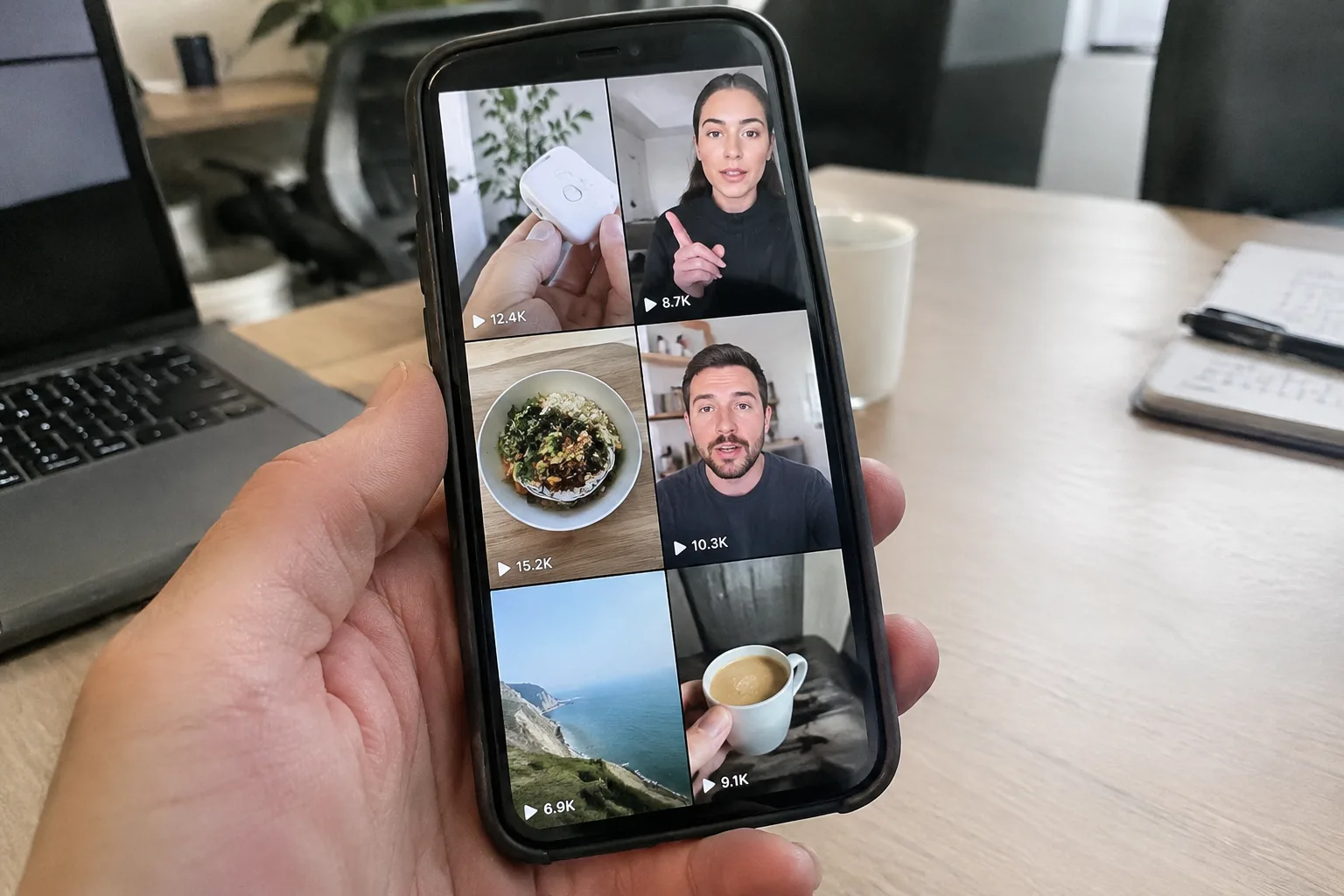
- Tips and Value Videos: Short videos that provide your audience with practical knowledge and tips in your area of expertise.
- Tutorial Videos: Simple explanations on how to use your product or perform a specific action.
- Product Demos: Visual presentations of the features and benefits of your products or services.
- TikTok and Reels Videos: Short, catchy content tailored to the vertical format of popular platforms.
- Business Updates and News: A quick and personal way to update customers on promotions, new products, or upcoming events.
How to Produce a High-Quality AI Video in Record Time: 6 Practical Tips
To maximize the benefits of rapid production, it's important to work correctly with the system. Here are some tips to help you get the most out of the technology:
- Define a clear goal for each video. Do you want to generate leads, teach something new, or strengthen your brand? A clear goal leads to a focused script.
- Provide the system with accurate and detailed information about your business. The better the system knows you, the more relevant and accurate the content it produces will be.
- Choose a digital presenter and voice that match your brand's character. Do you want to convey authority, friendliness, or innovation?
- Keep messages short and to the point. On social media, attention spans are short. Focus on one central message per video.
- Always check the final product before publishing. Despite the automation, it's important to ensure everything looks and sounds exactly as you intended.
- Analyze your videos' performance. Check which videos get more engagement and learn what works best for your audience to improve future videos.
What to Do Now?
You've understood that producing videos with AI can save you dozens of valuable work hours. To move forward, here are a few simple steps you can take today:
- Assess your current situation: Think about how much time you currently spend creating content for social media. Do the results justify the time investment?
- Brainstorm ideas: Write down 3-5 topics for videos you'd like to create for your business if only you had the time.
- Explore an automated solution: Check how an automated system can take these ideas and turn them into ready-to-publish videos in minutes.
Systems like LunSoul Social are designed for exactly this: to turn the video production process from a weeks-long task into a minutes-long action, allowing you to focus on what you do best – running your business.