The central question regarding AI video copyrights for businesses is whether their use is legal. The short answer is yes, but with a big asterisk. Safe commercial use requires working with platforms that provide a clear, explicit license for every component of the video – from the digital presenter and voiceover to the background music.
This guide was written for you, the owners of small and medium-sized businesses. If you want to harness the power of AI video for marketing but are worried about the legal implications, you've come to the right place. We'll explain in simple, clear language what's allowed, what's forbidden, and how you can sleep soundly at night.
What You Need to Know in Brief
- Ownership of the final product depends entirely on the terms of service of the tool you used.
- Copyright applies separately to each component: character, voice, text, and music.
- Free tools often do not include a commercial use license and pose a legal risk.
- Using a unified, closed system like LunSoul Social dramatically reduces legal risks.
- The law in this area is still evolving, so exercising extra caution is the smartest policy.
Why Is AI Copyright So Complicated?
The complexity stems from how artificial intelligence models work. They 'learn' from vast databases of text, images, and sounds from across the internet. Sometimes, these databases contain copyrighted materials. The final output the system creates is a combination of this 'knowledge,' which creates a legal gray area.
To simplify the issue, it's important to break down each AI video into its three main components: the visuals (the character and background), the audio (the narration and background music), and the text (the script). Different copyright rules apply to each of these components, and the responsibility to ensure that the use of all of them is legal falls on you, the business user.
The Digital Presenter: Who Owns the On-Screen Character?
The digital character, or avatar, is the face of your video. There are two main types of characters: 'stock' characters offered by the platform, and custom characters based on a real person (for example, you).
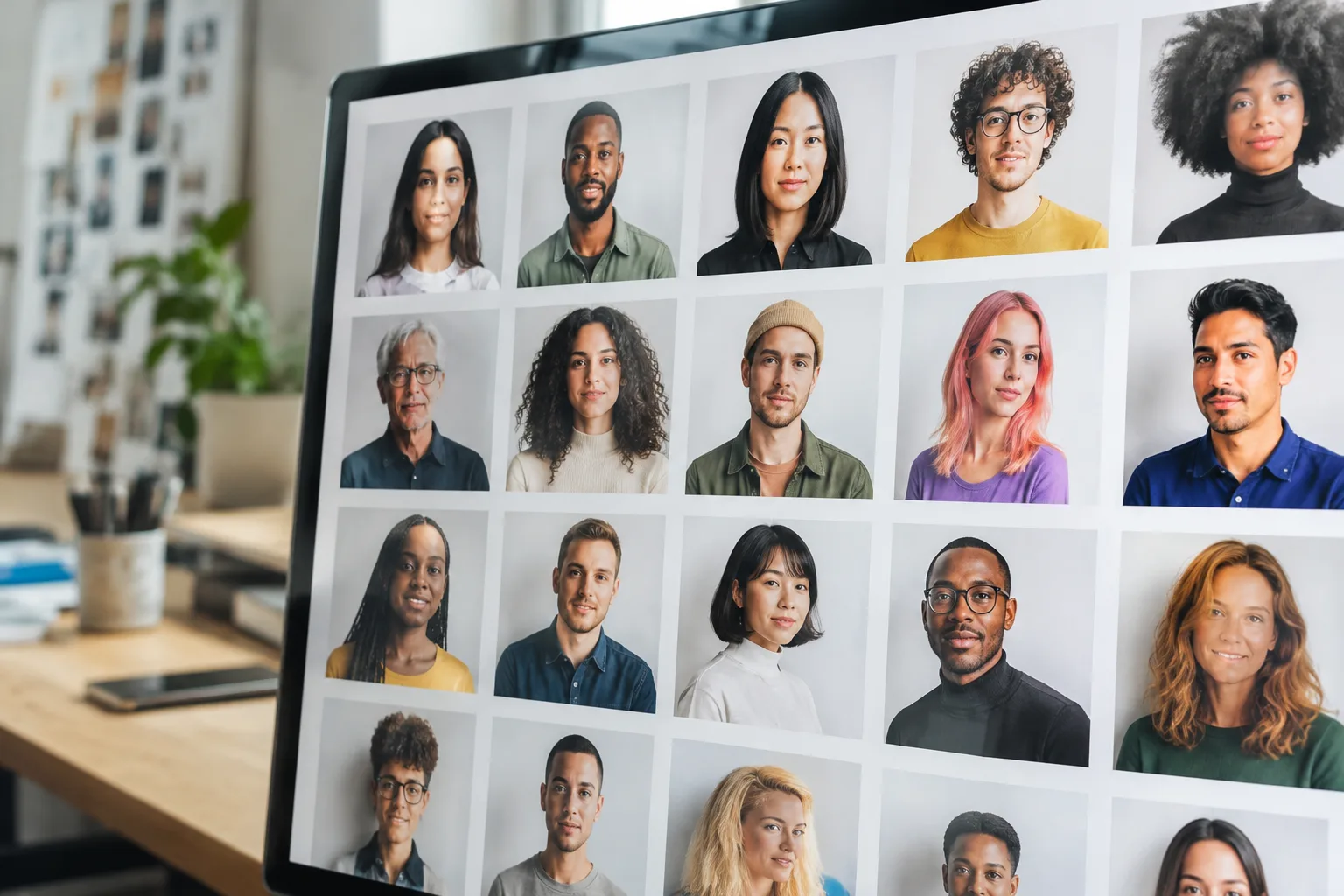
When you choose a character from an existing library, it's crucial to verify that the platform holds the full rights to that character and grants you a commercial license to use it. Reputable platforms work with real actors who have given their explicit consent to create a digital replica of them and to its use for commercial purposes.
If you create an avatar of yourself, make sure you do so on a platform that grants you full ownership of the result. Avoid any attempt to create a character of another person without their explicit written consent – and especially avoid creating characters of famous people, an action that exposes you to lawsuits for use of likeness and invasion of privacy.
Your Business's Voice: Copyright for AI Narration
Similar to characters, AI voices are also based on voice samples from real-life narrators. Using a voice generated from illegal samples could lead to a lawsuit from the owner of the original voice. Therefore, it's important to only use voice generators that state they work with narrators under proper contracts.
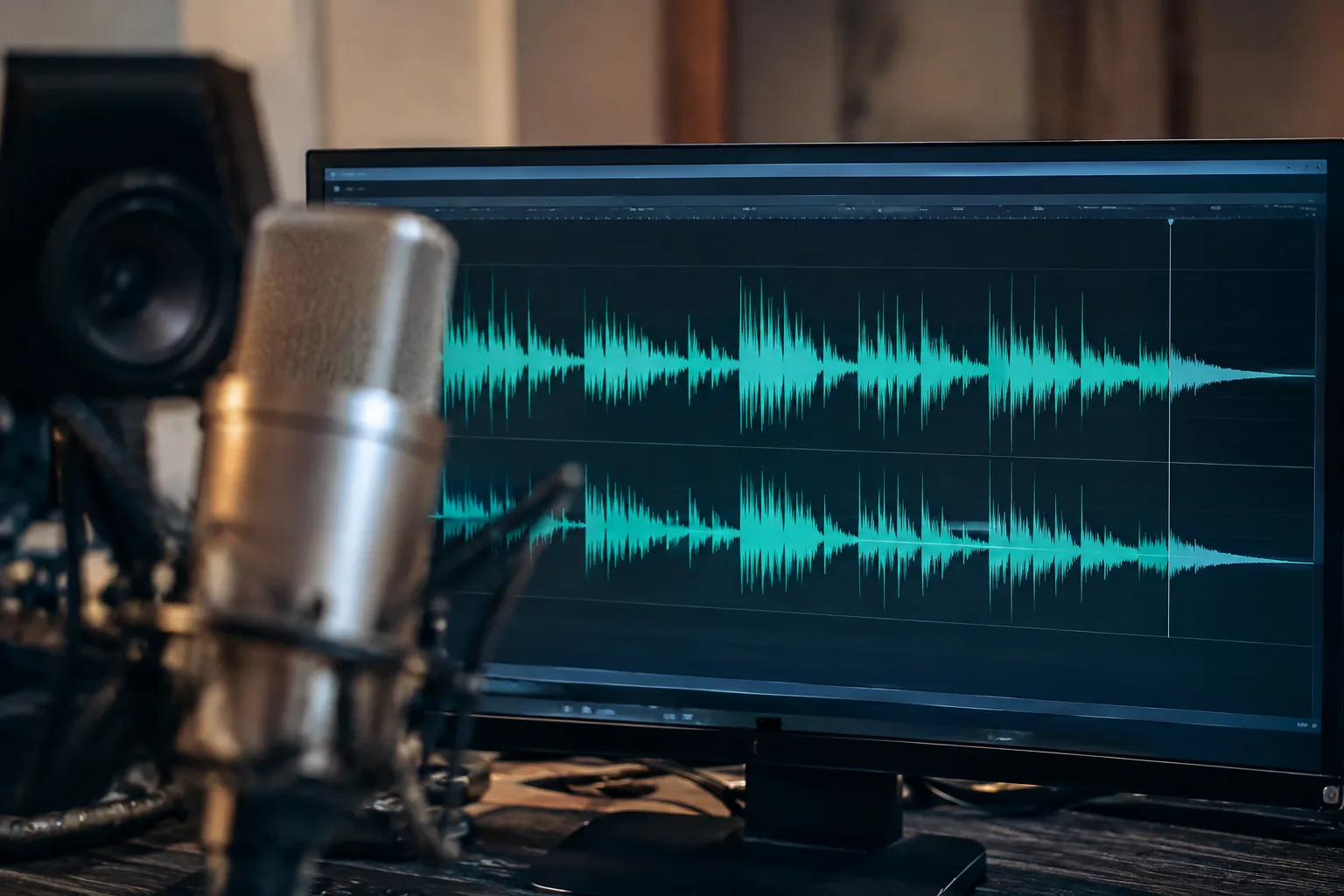
The challenge increases when it comes to less common languages, which are relatively small markets with a smaller supply of licensed voices. Leading, high-quality platforms invest in creating voice libraries in various languages with clean licenses, which gives you peace of mind. Don't be tempted to use dubious tools that offer 'voice cloning' without permission from the voice owner.
The safest way to use AI content in your business is to treat it like any other digital asset: make sure you have a clear commercial use license for each and every component.
The LunSoul Social Team
Comparison: Legal Risks of Different Video Creation Methods
There are several ways to create AI videos, and each carries a different level of legal risk. The following table summarizes the main options for business owners.
| Creation Method | Legal Risk Level | Key Considerations |
|---|---|---|
| Using a free tool | Very High | Usually lacks a commercial license; the data sources for training the model are unknown. |
| Combining different tools (DIY) | Medium to High | The responsibility to check licenses for each tool separately (voice, character, music) falls on you. |
| All-in-one paid system | Low | The system provides a comprehensive license for all components and manages the rights for you. |
How to Choose a Safe AI Video Platform for Commercial Use
To protect your business, it's important to choose the right tools. Here is a list of practical steps to help you make an informed decision:
- Read the Terms of Service: Look for sections related to Commercial Use, Ownership of Content, and License.
- Verify the existence of an explicit commercial use license: Don't assume that because you paid, you're allowed to do anything. The license should be in black and white.
- Prefer an 'end-to-end' system: A platform that provides the character, voice, writing, and editing under one roof reduces the chance of licensing issues.
- Inquire about data sources: Transparent companies will state that they use legal and licensed databases to train their models.
- Look for solutions designed for businesses: Tools built from the ground up for the business market, like LunSoul Social, understand the needs and risks and operate accordingly.
- Document your creation process: Keep a record of the platform you used and the creation date. This can help in case of a future inquiry.
What's the Next Step?
Now that you have a better understanding of the AI video copyright landscape, it's time to act wisely. The first step is to assess your marketing needs and decide what role AI video can play in your business. The second step is to choose the safest and most efficient way to produce this content.
To start producing videos with peace of mind, without worrying about copyrights for every image and sound clip, an automated system like LunSoul Social is an ideal solution. The system manages all the legal and technical aspects for you, from selecting presenters and voices with full licenses to writing the content, allowing you to focus on what really matters – managing and marketing your business.