
Successful sponsored video ad examples are based on three principles: a clear message in the first three seconds, visually presenting the problem and solution, and a clear call to action. You can achieve this without filming by using AI-based creative, animation, or digital presenters.
This article is for small and medium-sized business owners who want to understand what works in sponsored video ads, get inspired by concrete examples, and learn how to produce creative that converts—even without a filming budget or the desire to appear on camera.
- The first three seconds are critical to the ad's success.
- Ads that show a 'before and after' or a product demo convert better.
- You can create professional video without filming using AI tools.
- A/B testing creative is the key to optimization.
- Adapting the message to the platform (Facebook vs. TikTok) is essential.
Why Analyzing Examples is Key to Winning Creative
Before you invest a single dollar in a video campaign, it's crucial to understand what's already working in the market. Analyzing examples of sponsored video ads isn't about copying; it's about learning. Instead of reinventing the wheel, you can identify patterns, messages, and visual styles that resonate with your target audience.
Focus on questions like: What caught your attention in the first few seconds? How did the ad present the problem it solves? Was the message clear even without sound? The answers to these questions are the foundation for your creative.
Analyzing 5 Winning Principles from Top Video Ads
Instead of showing specific ads, let's distill the common principles of the highest-converting video ads running today. Applying even two of the following principles will significantly improve your campaign's performance.
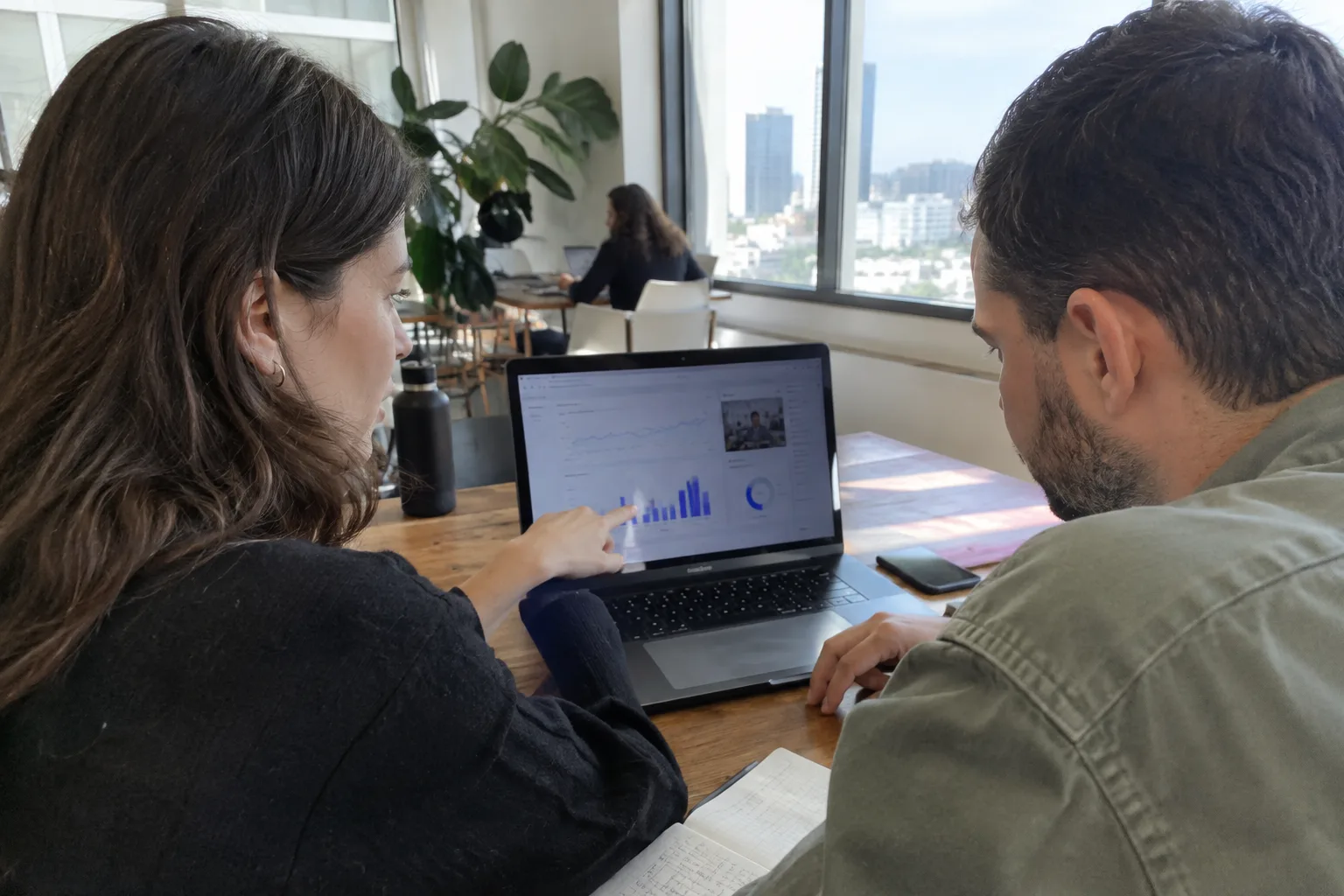
- Instant Hook: The first three seconds must stop the scroll. This could be a surprising question, fast movement, or a clear shot of the final result the customer wants to achieve.
- Problem Before Solution: Effective ads show a short scene illustrating the customer's problem or frustration. Only after the viewer identifies with the problem do they present the product or service as the ideal solution.
- Visual Demonstration: Don't tell, show. Instead of saying your product is 'easy to use,' show it in action with a screen recording or animation. If you're selling a service, show the final result—the 'after'.
- Prominent Subtitles: Most users watch videos in their feed without sound. Ensure the main message is conveyed through readable, large, and clear subtitles that appear throughout the video.
- One Call to Action (CTA): Don't confuse the viewer. Choose one goal for the ad (get leads, buy a product, download a guide) and present it clearly at the end of the video, both visually and in the voiceover.
A good video ad doesn't sell a product; it sells a solution to a problem. Focus on the transformation the customer will experience, not the technical features.
A fundamental principle of video marketing
How to Create a High-Converting Video Ad Without Filming
Many business owners avoid video marketing because they think it requires expensive equipment, filming days, or acting talent. This is a mistake. Today, technology allows you to produce professional, high-converting videos right from your computer, no camera needed.
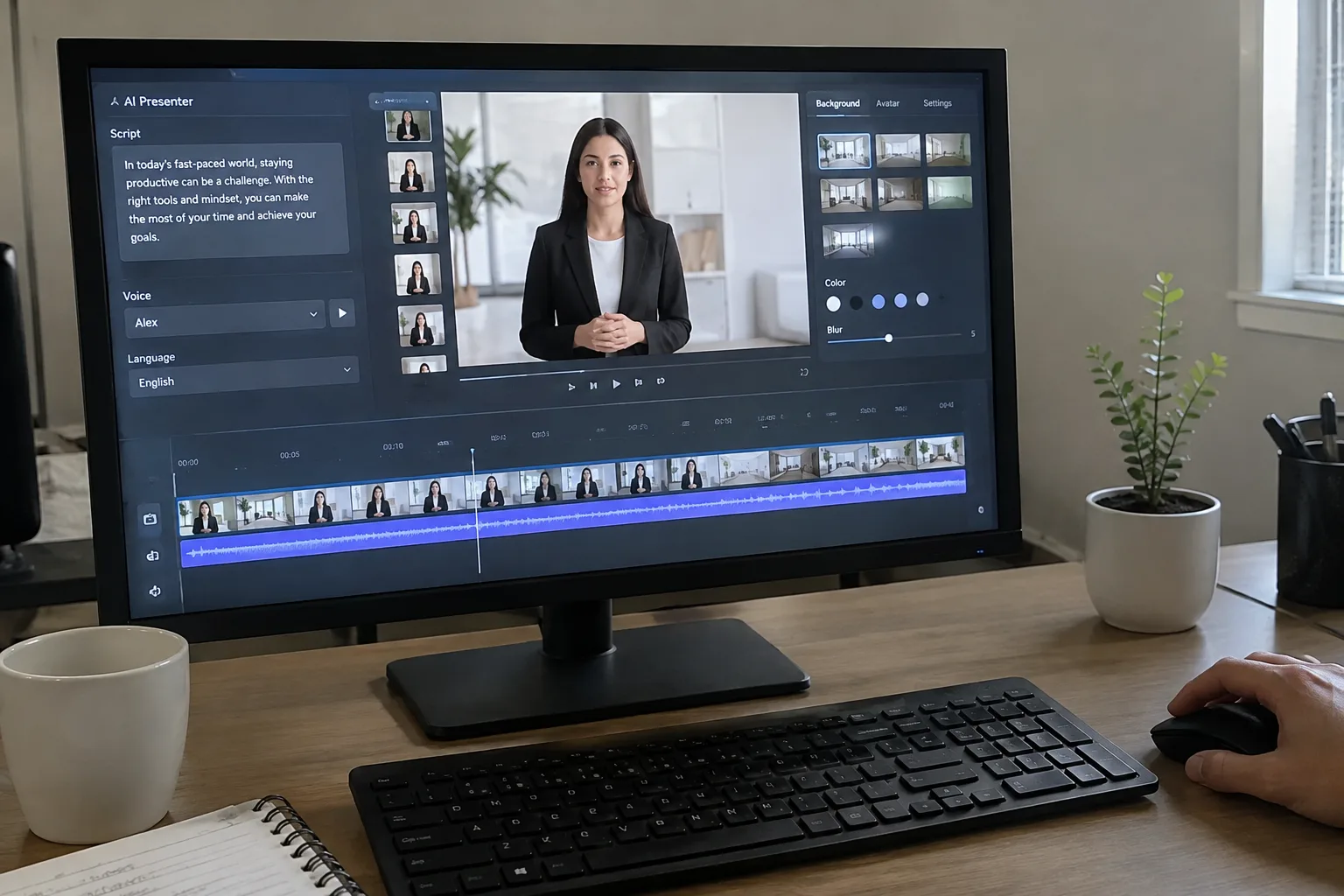
The solution lies in combining smart tools. You can use high-quality stock video libraries, add simple text animations, or use the most advanced method: AI-based digital presenters. These tools let you turn any text into a video with a human-like avatar and a professional voiceover in Hebrew, all in a matter of minutes.
The big advantage is the ability to run A/B tests quickly. Instead of reshooting, you simply change the text, swap the presenter, or alter the background with the click of a button, allowing you to find the winning creative at a minimal cost.
Adapting Creative for the Platform: Facebook vs. TikTok
Creative that works great on Facebook might fail on TikTok, and vice versa. Understanding the nuances of each platform is key to success. The following table summarizes the main differences in creative approach.
| Characteristic | Facebook/Instagram Video Ads | TikTok Video Ads |
|---|---|---|
| Recommended Length | 15-30 seconds | 9-21 seconds |
| Style | More polished and professional, product demos | Authentic, trendy, raw content (UGC) |
| Sound | Designed for silent viewing (subtitles are a must) | Trending sound is an essential part of the message |
| Call to Action | Clear buttons, direct and commercial CTA | Integrated into the content, challenges, Q&A |
How to Test Video Ad Creative: 6 Practical Tips
Created a few versions of your creative? Excellent. Now for the most important step: testing what actually works. Proper testing will save you money and maximize your results.
- Change only one variable: In each test, change only one element between ads. For example, the same ad with two different headlines, or the same video with two different calls to action at the end.
- Test the hook first: The most important element is the first three seconds. Create 2-3 variations of just the video's intro and test which one achieves the highest average watch time.
- Let the campaign run: Don't rush to conclusions after one day. Let the campaign gather data for at least 3-4 days before you turn off underperforming ads.
- Define a clear success metric: Decide in advance what metric matters most to you—cost per lead, click-through rate (CTR), or cost per view (CPV). Focus on this metric to determine the winning ad.
- Test different audiences: Sometimes, a specific creative underperforms not because it's bad, but because it was shown to the wrong audience. Test your winning ads on new audiences.
- Learn and iterate: After finding a winning creative, don't rest. Use the insights to create the next version of your ads and try to improve the results even further.
What to Do Now?
Now that you have the principles for creating high-converting video ads, it's time to apply them. The first step isn't to open a camera, but to open a document and write 2-3 short scripts based on the principles you've read: a strong hook, presenting a problem and solution, and a clear call to action.
Next, instead of worrying about filming and editing, you can turn these scripts into professional video ads in minutes. AI-based systems like Lunsoul Social allow you to generate videos with digital presenters and Hebrew voiceovers, and to test different versions quickly and efficiently. This way, you can focus on what really matters—your marketing message, not the technical complexities of video production.