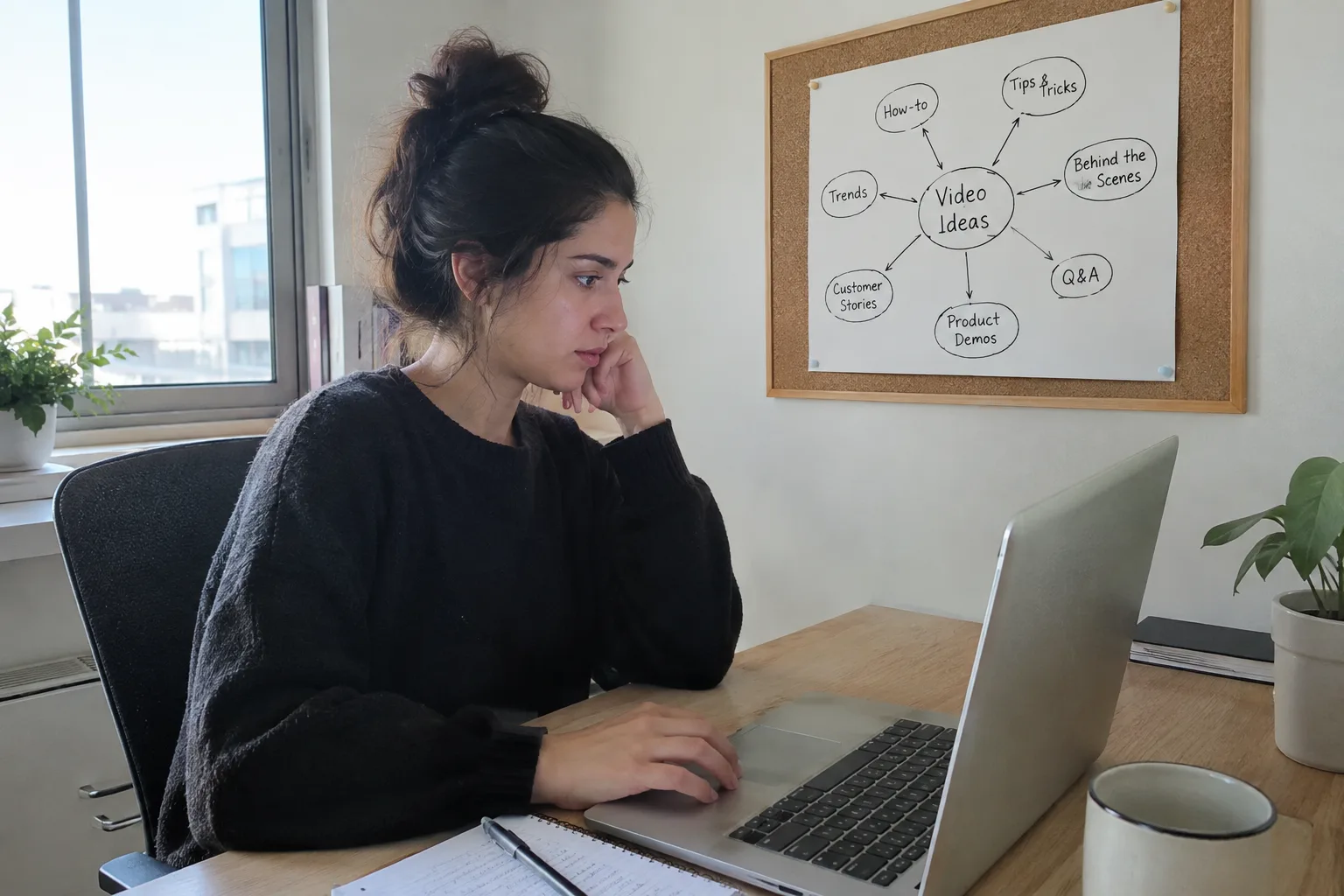
To A/B test video ads, you need to define a clear goal (like more leads), choose a single variable to test (for example, the first two seconds), and create two versions of the ad that differ only in that variable. Then, you run both versions simultaneously to a similar audience and see which one achieves the desired result at the lower cost.
This guide was written specifically for small and medium-sized business owners who want to get more out of their video ads on Facebook, Instagram, and TikTok. You don't need to be a marketing expert or a creative genius to apply these principles and start seeing better results from your budget.
- Test only one variable at a time to know what really works.
- The goal isn't just clicks or likes, but measurable business results.
- Artificial intelligence (AI) can quickly create variations for you to test.
- You don't need huge budgets to start running effective tests.
- Properly analyzing the results is the key to success and cost savings.
A/B testing, or split testing, is a process where you compare two (or more) versions of a video ad to find out which one performs better. Think of it like a scientific experiment: you show version A to one part of your audience and version B to another, then check which one achieves your set goal more effectively.
The most important principle is to isolate variables. In each test, you change only one element between version A and version B. If you change the headline, the music, and the call to action all at once, you won't know which of the changes influenced the outcome. When you test just one variable, you can be sure that the difference in performance is a direct result of the change you made.
A video ad is made up of many elements, and it can be confusing. The good news is that a few small changes can lead to big differences in results. Focus on the elements that have the greatest impact on the viewer.
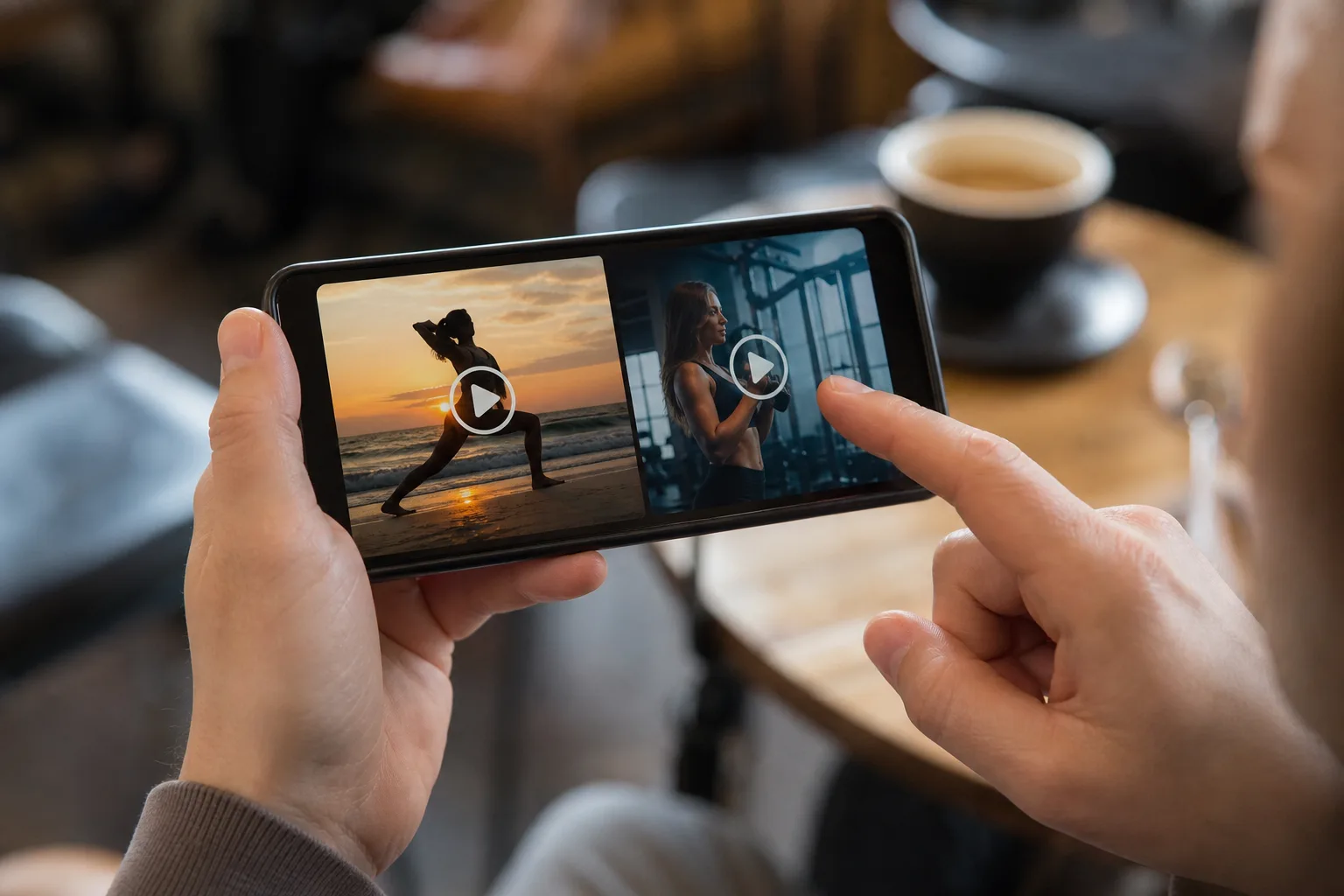
This is the most important part of the ad. If you don't grab the viewer's attention in the first few seconds, they'll scroll on. Test different questions, surprising statements, or intriguing video clips to see what makes more people stop and watch.
The possibilities here are vast: test a video with a human presenter against an animated video, use different color schemes, test a fast editing pace versus a slow one, or even a male voiceover versus a female one. Each change can appeal to a different audience and affect how your message is received.
How are you asking the viewer to take the desired action? Test different phrasing. For example, "Learn More" versus "Get a Quote," or "Sign Up Now" versus "Save My Spot." The placement of the call to action (in the middle of the video or only at the end) is also an important variable to test.
| Element to Test | Example Version A | Example Version B | Why It's Important |
|---|---|---|---|
| Hook (Opener) | Question: "Is your business wasting money?" | Statement: "Most businesses waste money on marketing." | Determines if the viewer keeps watching or skips. |
| Creative | Video with a presenter speaking to the camera | Animated video with text and captions | Matches the message to the target audience's preferred style. |
| Voiceover | Narration with a male voice | Narration with a female voice | Affects the brand's perceived credibility and authority. |
| Call to Action (CTA) | "Learn More" button | "Get Started Now" button | Directly impacts click-through and conversion rates. |
The technical setup of an A/B test in the ad managers of Meta (Facebook and Instagram) or TikTok is relatively simple. The challenge is to plan the test correctly to get reliable results. Follow these steps:
- Define a clear goal: Determine what you're trying to achieve. Is the goal to increase the number of leads, lower the cost per lead, or perhaps increase the average video watch time? A clear goal will allow you to measure success.
- Choose only one variable: As we explained, this is the golden rule. Decide if you're testing the hook, the creative, the ad copy, or the call to action. Don't be tempted to change several things at once.
- Create the variations: Prepare your two video versions. Make sure they are completely identical except for the single variable you chose to test.
- Set an identical audience and budget: In the ad manager, create a campaign with two ads (or two ad sets). Assign the exact same target audience and the same budget to each. Many platforms allow you to set this up automatically as part of creating the test.
- Let the test run long enough: Don't rush to conclusions after a few hours. Let the campaign gather enough data (at least a few days or until a significant number of conversions is reached) for the results to be statistically significant.
- Analyze the results: Compare the performance of version A versus version B based on the goal you set. The ad that achieved the best result at the lowest cost is the winner.
- Apply what you've learned: Turn off the losing ad and continue running the winner. Now, you can start planning your next test based on the winning ad, testing another variable to continue improving.
The biggest challenge in A/B testing video ads is production. Creating multiple versions of a video requires time, resources, and sometimes a budget for shooting and editing. This is where artificial intelligence (AI) technology changes the game for small businesses.
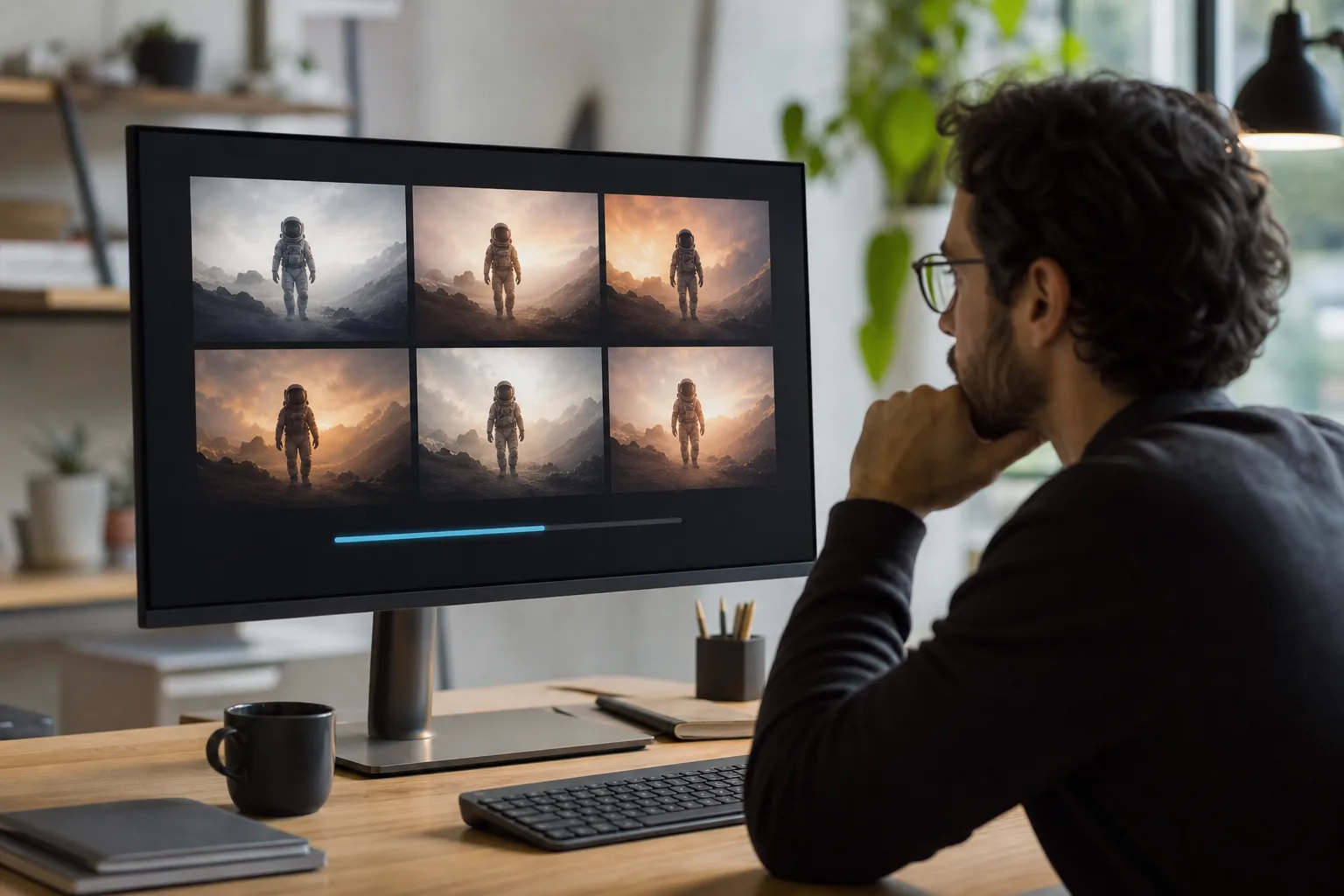
AI-based tools can create multiple variations of a video ad for you in minutes, with no technical knowledge required. You can ask the system to generate the same video with five different hooks, with three different voiceovers, or even with different digital presenters. This way, the production barrier disappears, and you can focus on what really matters: testing, learning, and improving.
The ability to test 5 hook variations for the cost and time of creating a single video is a revolution. It turns optimization from an expensive theory into a simple, daily action for any business.
The LunSoul Social Team
An ad's success isn't measured in likes or comments, but in business results. To know which version won the test, you need to look at the Key Performance Indicators (KPIs) directly related to the goal you set at the beginning.
If your goal is leads, the most important metric is Cost Per Lead (CPL). Which ad brought you more leads at a lower cost? If you're selling a product online, focus on Cost Per Acquisition (CPA) and the Conversion Rate. Secondary metrics like Click-Through Rate (CTR) can provide an indication, but they don't tell the whole story. An ad can get a lot of irrelevant clicks and not generate a single conversion.
Remember to also examine the Cost Per Mille (CPM). On TikTok, for example, global estimates suggest an average CPM of around $10, but this varies greatly. A lower CPM can allow you to reach more people with the same budget, which can impact all other metrics.
You understand the principles of A/B testing for video ads. Now it's time to apply them. Don't wait for the "perfect" creative—it doesn't exist. The only way to find what works for your audience is to test.
The first step is to choose one simple variable you want to test, for example, two different hooks for the same video. The next step is to create the variations. If you don't have the time or resources for production, an automated system like LunSoul Social can generate a variety of videos for you with digital presenters, voiceovers, and brand customization, allowing you to start testing and improving your marketing today.