The question of how much a Facebook lead costs by industry is on every business owner's mind. In Israel, the average cost ranges from ₪25-70 in competitive fields like cosmetics and consulting, and can reach ₪150-250 or more in sectors like real estate or financial services. The final price heavily depends on ad quality, value proposition, and audience targeting.
This guide was written specifically for small and medium-sized business owners in Israel who want to understand the realistic costs of paid advertising on Facebook. We'll explain what affects lead prices, present price ranges by industry, and most importantly, show you how to reduce costs with quality content, even without stepping in front of a camera.
- Lead cost is not fixed and depends on the industry, competition, and creative.
- Video is often the most effective format for getting cheap leads.
- The quality of the lead form directly affects the conversion rate.
- You can significantly reduce costs with a well-planned campaign.
- AI-based tools allow for the creation of high-quality videos without needing to film.
Before we dive into the numbers, it's important to understand that the price you pay for each lead isn't arbitrary. It's the result of an automated auction that Facebook's advertising system runs at any given moment. Several key factors influence the final outcome:
The more advertisers trying to reach the same target audience, the higher the price. Industries like real estate, law, and finance are highly competitive, so the cost per lead is naturally higher.
This is the most significant factor within your control. Facebook rewards ads that make users stop, react, and show interest. A high-quality video ad, a compelling image, or precise copy will receive a higher quality score and benefit from lower prices.
Targeting a broad, unfocused audience will generally produce cheap but low-quality leads. In contrast, targeting a more precise, niche audience may increase the initial cost but bring in leads with a higher chance of converting into a sale.
It's important to emphasize: the following numbers are estimates based on averages in the Israeli market and are meant to give you a benchmark. The actual cost in your campaigns could be higher or lower, depending on the factors mentioned earlier. Use this table as a starting point for budget planning.
| Industry | Average Cost Per Lead (₪) | Notes |
|---|---|---|
| Cosmetics & Beauty | ₪25 - ₪70 | High competition, requires strong visuals and attractive offers |
| Real Estate (Projects/Brokerage) | ₪150 - ₪250 | High transaction value, long sales process, requires patience |
| Business / Financial Consulting | ₪60 - ₪180 | Requires building trust and authority, video content works great |
| Restaurants & Hospitality | ₪30 - ₪80 | Location-based, coupons and special offers yield good results |
| Lawyers | ₪100 - ₪220 | Very competitive, requires a precise and trustworthy message |
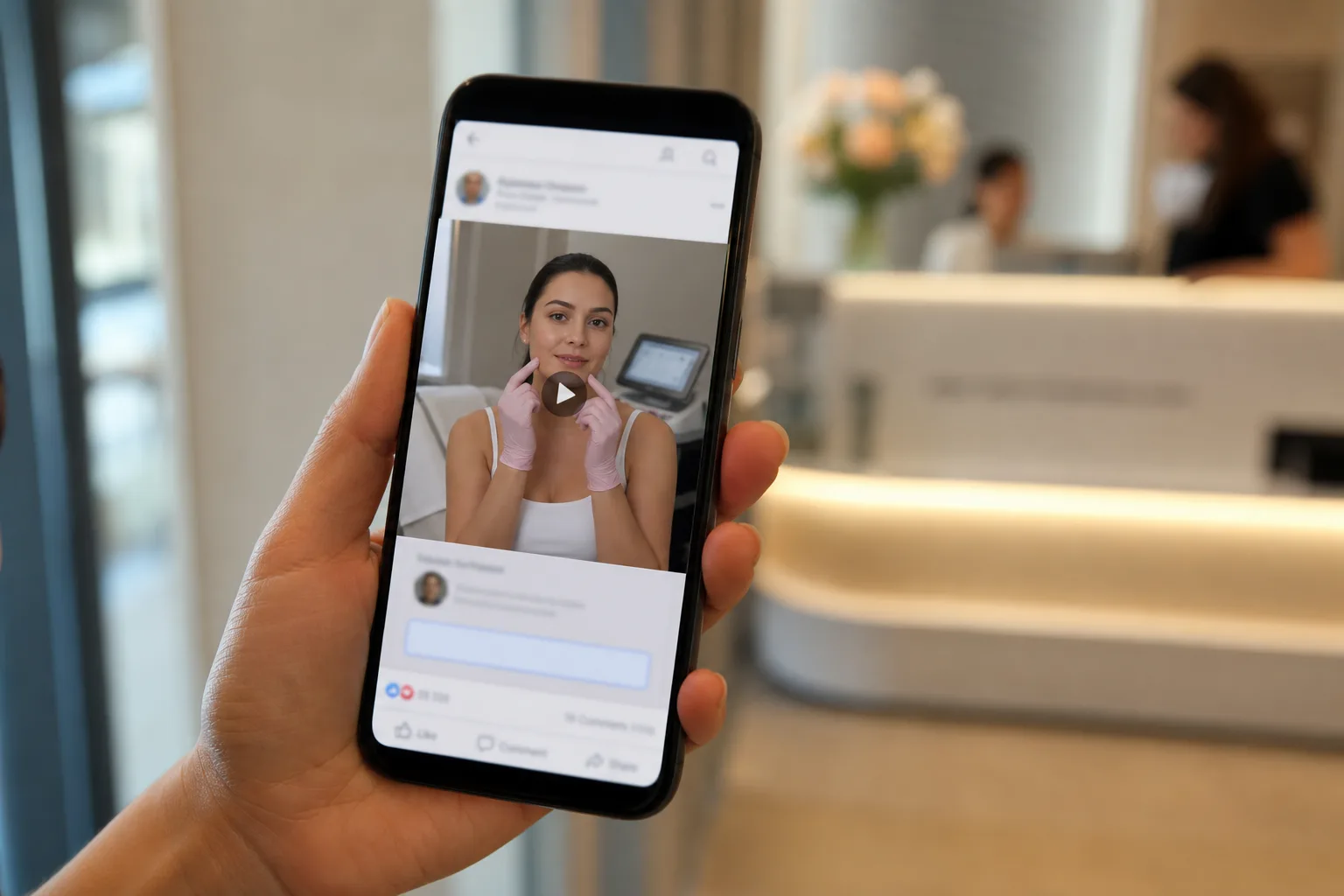
Consistently, video-based campaigns achieve lower lead costs. The reason is that video successfully captures attention in a saturated feed, conveys a complex message quickly, and creates an emotional connection and trust with the viewer, even before they leave their details.
A good video ad doesn't just grab attention—it builds trust and filters out irrelevant customers before they even click.
LunSoul Social
The challenge for small businesses is producing such videos regularly. The cost of filming days, the required equipment, and the fear of being in front of a camera are significant barriers. This is precisely where AI technology comes in, offering an accessible and effective solution.
You understand the numbers and the importance of creative. Now, let's get practical. Here are seven steps you can implement today to lower the cost per lead in your campaigns:

- Define your target audience as precisely as possible. Don't try to sell to everyone. The more specific you are, the more relevant your ad will be.
- Invest in short, punchy video creative. A 15-30 second video that clearly explains your value proposition will beat a static image in most cases.
- Write clear copy with a single call to action. Tell users exactly what you want them to do ("Leave your details to get the guide," "Get a consultation call").
- Simplify the lead form. Ask only for the most essential information (usually name and phone number are enough). Every additional field reduces the chance they'll complete the form.
- Perform A/B testing. Test different versions of ads—video vs. image, different headlines, different audiences—and learn what works best for you.
- Use remarketing. Target an audience that has already visited your website or interacted with your page. Leads from a "warm" audience are almost always cheaper and higher quality.
- Analyze the results regularly. Don't set up a campaign and "forget about it." Go into the Ads Manager every few days, turn off expensive ads, and boost the ones that are working.
A cheap lead isn't always a good lead. Sometimes, a campaign that brings in leads for ₪30 won't make you any money, while a campaign with ₪100 leads will turn out to be highly profitable. The truly important metric is Return on Investment (ROI).
To calculate this, you need to track the customer journey: how many leads turned into phone calls? How many calls became meetings? And how many meetings closed as deals? Only when you know what an average customer is worth to you can you decide what cost per lead is worthwhile for you to pay.
Understanding lead cost is the first and most crucial step in building an effective Facebook advertising strategy. To move forward from here, we recommend three concrete steps:
First, set a realistic initial budget based on the table we presented. Start with a daily budget of at least ₪50-100 to give the system enough data to learn. Second, think about your value proposition—what are you offering in exchange for contact details? It must be something sufficiently attractive. Third, plan your creative.
Instead of investing thousands of shekels in a filming day or struggling with video editing, you can use an automated system. For example, the LunSoul Social platform creates professional videos for you with digital presenters and Hebrew voiceovers, specifically tailored for Facebook lead ads, helping to significantly reduce costs.