
The most significant drawbacks of AI videos for business are robotic sound quality, imperfect lip-sync, and a lack of authenticity that can alienate customers. Common mistakes include choosing a digital avatar that doesn't match the brand and scripts that feel artificial.
This article is for small and medium-sized business owners in Israel who are considering using AI videos but worry the result will look amateurish, fake, or damage their brand image. Here, we'll transparently present all the challenges and provide practical, proven solutions.
- Robotic sound, especially in languages like Hebrew, is the biggest obstacle to credibility.
- An avatar that doesn't match your brand can drive away potential customers.
- Inaccurate lip-syncing immediately signals that something is fake.
- The solution lies in combining the right technology with a human script and real value.
- An automated system can solve most of the technical problems for you.
Many AI videos fall into the 'Uncanny Valley'—the phenomenon where a near-human figure causes feelings of unease and revulsion. This happens due to a lack of natural facial expressions, stiff body movements, and, most importantly, a mismatch between the voice and lip movements.
The human brain is skilled at detecting subtleties in non-verbal communication. When a digital avatar speaks, but its eyes don't 'smile' or its hands remain frozen, the viewer feels that something is wrong. The result is a lack of trust in the message and the brand behind it.
One of the most common mistakes is choosing a generic avatar or one that doesn't reflect your brand's values. If you're a lawyer aiming to project authority and credibility, a young avatar in a colorful t-shirt could create dissonance and harm your professional image.
The avatar is the face of your business in the video. It needs to match your target audience's demographics and speak to them on their level. The right choice can strengthen your message, while the wrong one will make potential customers scroll away.
Languages with complex intonation, like Hebrew, present unique challenges for text-to-speech (TTS) engines. The rhythm, syllable stress, and accent can sound robotic in many international tools. Narration that sounds like a GPS app severely damages a video's credibility.
Another problem is lip-syncing. Many AI models are trained primarily on English, and their adaptation to the mouth movements of other languages, like Hebrew, is not perfect. Even a slight lack of synchronization is immediately noticed by the viewer and conveys a lack of professionalism.
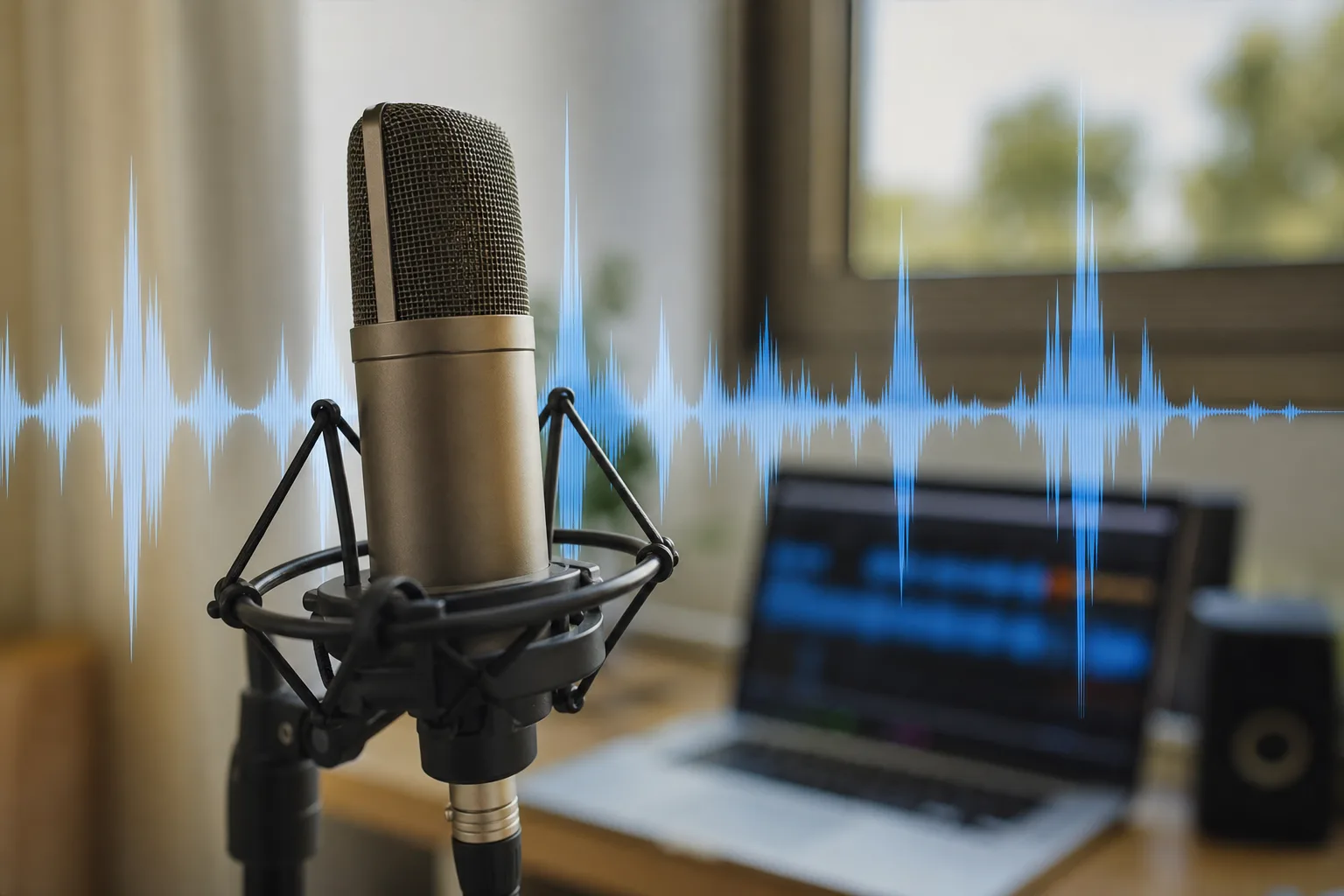

The promise of speed and savings from AI tools can be misleading. While the monthly cost may seem low compared to traditional production, you must account for the learning curve required to produce a quality result. The time you invest in scriptwriting, avatar selection, editing, and revisions is valuable work time.
Additionally, many tools limit the number of video minutes you can generate per month, which can increase the cost per video. It's important to compare all components to understand the full picture.
| Parameter | Traditional Production (single Reel) | DIY AI Creation (monthly subscription) | AI Freelancer (single video) |
|---|---|---|---|
| Average Cost | 800 - 2,500 ש"ח | 100 - 400 ש"ח | 300 - 700 ש"ח |
| Time Required from You | Many hours (coordination, filming) | Many hours (learning, creating) | A few hours (communication) |
| Requires Technical/Marketing Knowledge | No | Yes, at a high level | No |
Despite the limitations, it's definitely possible to create AI videos that look and feel human and trustworthy. The key is to shift the focus from the technology to the content and strategy. Here are some practical steps to help you do it right.
- Invest 90% of your time in the script and only 10% in the technology. A good script always wins.
- Choose an avatar that conveys your brand values and suits your target audience, not just the most popular option.
- Listen carefully to Hebrew narration samples before committing to any tool. Don't compromise on sound quality.
- Add human elements to the script, like a short personal story, a rhetorical question, or subtle humor.
- Use accurate and clear captions. They help convey the message and also compensate for minor lip-sync flaws.
- Ensure the call to action at the end of the video is clear, direct, and motivates the viewer to take the next step.
The short answer is no. AI videos are particularly suitable for service- and knowledge-based businesses, such as consultants, lawyers, accountants, insurance agents, and experts in their fields. In these industries, the focus is on conveying information and value, and a digital avatar can serve as an effective mouthpiece for spreading your expertise.
On the other hand, for businesses based on a sensory experience or a unique physical product, like restaurants, fashion designers, or artists, AI videos may feel less authentic. In these cases, combining AI videos for explanations and tips with real footage of the product or experience can be the optimal solution.
Technology is just the tool. The authenticity, the story, and the value you provide are what truly create connection and drive sales.
Digital Marketing Experts
You understand the limitations and the potential, and now you're ready to take the next step. Instead of wasting hours learning complicated technical tools and dealing with robotic narration, you can let an automated system do the hard work for you.
A system like LunSoul Social was developed specifically for the Israeli market and solves all the challenges we've discussed. The system writes human-like scripts, uses the most natural Hebrew narration and carefully selected avatars, and automatically produces professional and credible videos for you. All you have to do is approve the content. See how it works at lunsoulsocial.com.