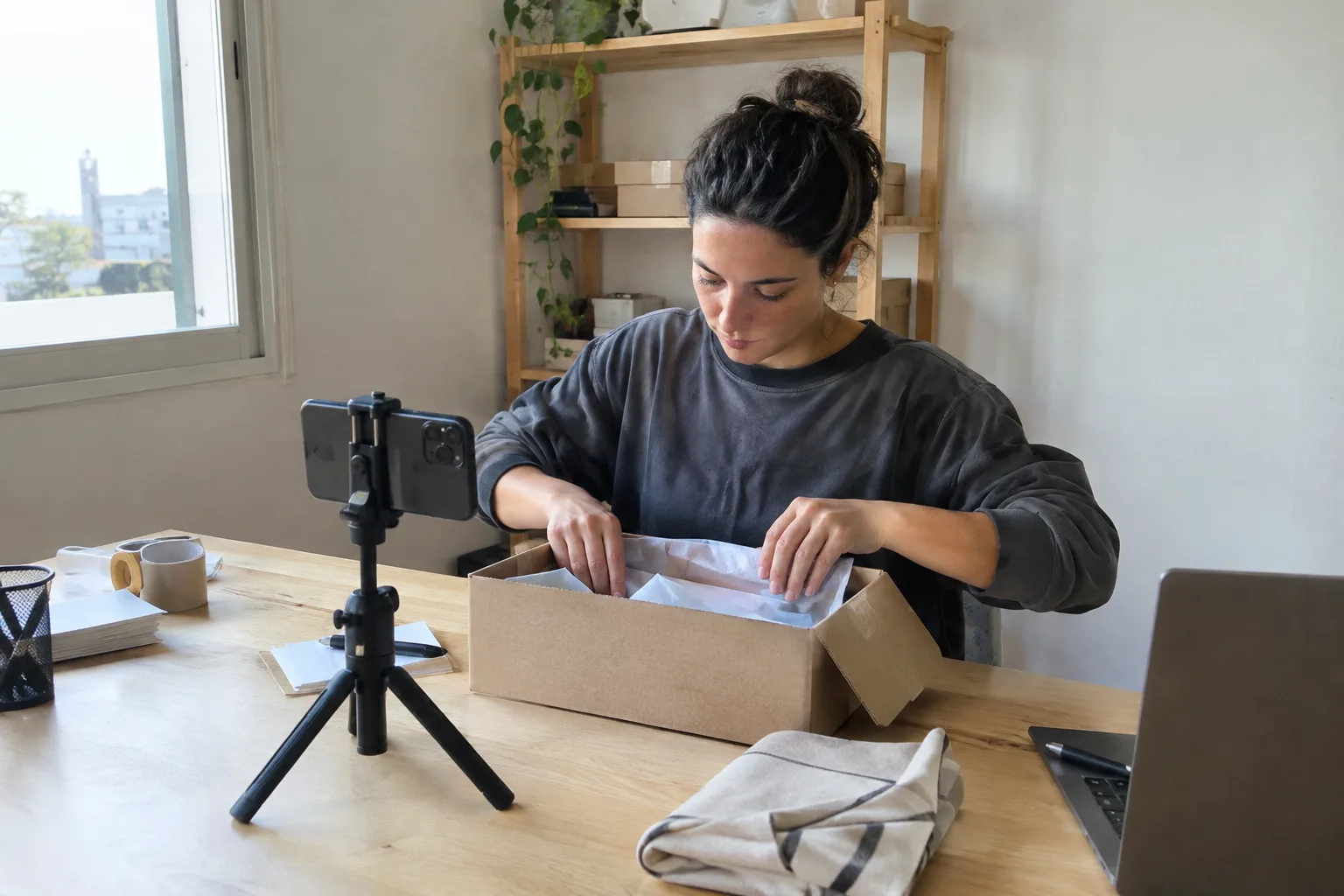
To succeed on social media, you must create platform-specific short video content. Uploading the same video to TikTok, Instagram Reels, and YouTube Shorts just doesn't work. Each platform has a different audience, algorithm, and content expectations, and proper adaptation is the key to exposure, engagement, and achieving business results.
This guide is for small and medium-sized business owners who want to leverage the power of short video but aren't sure about the differences between platforms and how to adapt their content efficiently, without wasting precious time reshooting and re-editing every single video.
The Short Version
- TikTok demands authenticity and trends: Fast-paced, unpolished videos using popular sounds.
- Instagram Reels prefers aesthetics and value: Higher-quality video, short tutorials, and inspirational content.
- YouTube Shorts is for educational content: Short versions of longer videos with focused information.
- Smart repurposing saves time: Adjusting titles, sound, and pacing can save up to 50% of your content creation time.
- Automated tools simplify the process: AI systems can generate adapted versions for each platform for you.
Why Can't You Just Post the Same Video Everywhere?
Many business owners fall into the "post and pray" trap: they create one video and distribute it as-is across all social networks. This approach ignores fundamental differences between the platforms. Each network has its own "culture," an algorithm that rewards different behaviors, and an audience with different expectations.
For example, the average user spends over 90 minutes a day on TikTok, expecting fast, authentic, and unexpected entertainment. That same user on Instagram is looking for more aesthetic, inspiring, or clearly valuable content. Ignoring these nuances makes your videos feel out of place, and as a result, the algorithm won't promote them.
Key Differences: TikTok, Reels, and YouTube Shorts
To understand how to adapt your content, it's important to know the unique characteristics of the three main short-form video platforms. The following table summarizes the key differences that will affect your strategy.
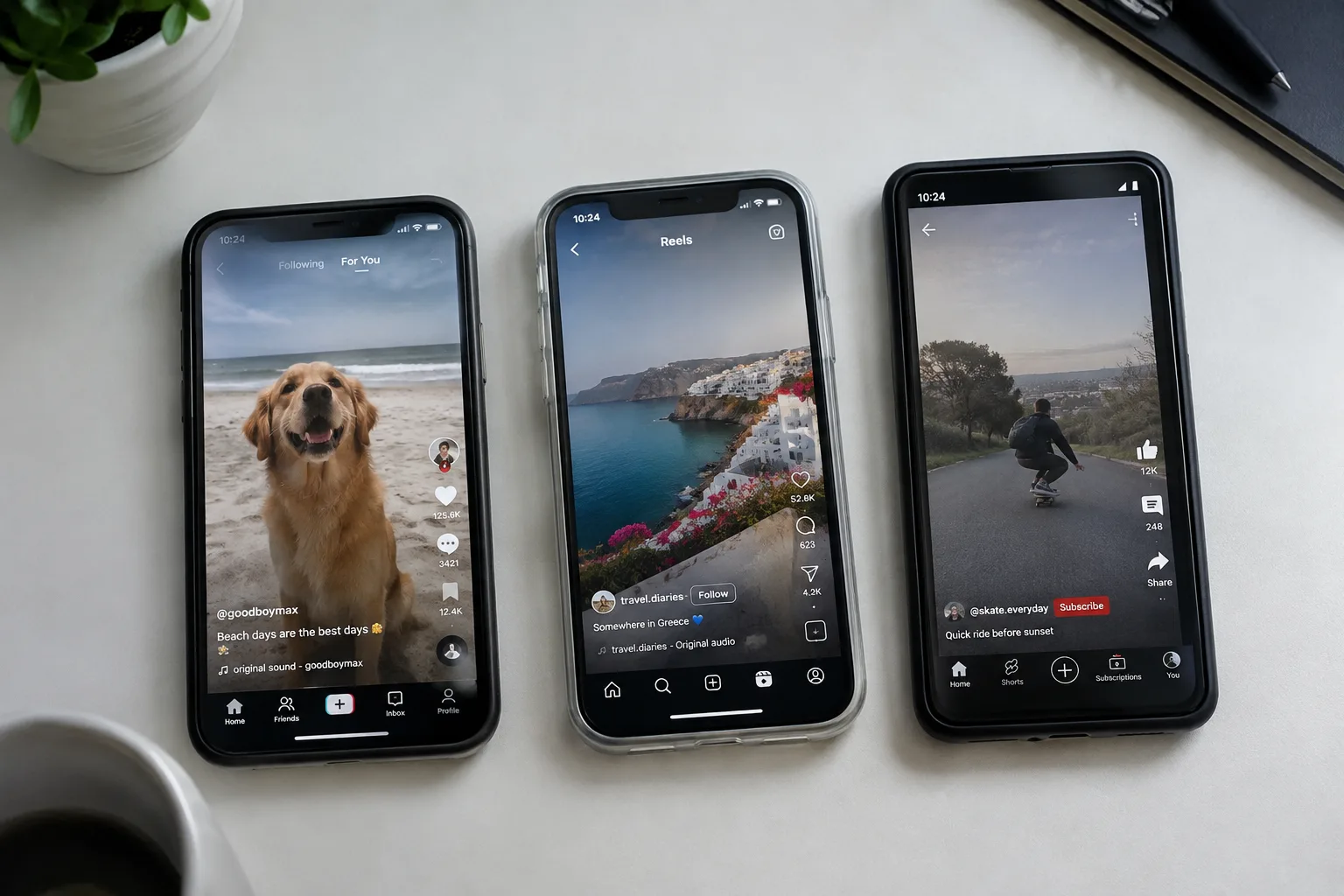
| Characteristic | TikTok | Instagram Reels | YouTube Shorts |
|---|---|---|---|
| Primary Audience | Young (Gen Z), seeking entertainment and trends | Broader (Millennials & Gen Z), seeking inspiration and value | Diverse, seeking quick solutions and educational content |
| Recommended Style | Authentic, humorous, based on trends and sounds | Aesthetic, polished, tutorials, tips, behind-the-scenes | Informative, clips from longer videos, "how-to" content |
| Ideal Length | 7-15 seconds | 15-60 seconds | 30-60 seconds |
| Algorithm Focus | Watch time and quick interaction | Engagement (saves, shares) and original content | Search relevance and total channel watch time |
Multi-Platform Video Strategy: How to Get Started?
You understand the differences, but how do you translate that into a work plan? The goal isn't to create three different videos from scratch, but to create one central idea and adapt it for each platform. The first step is consistency.
As a starting point, aim to post 3-5 short videos per week. This frequency signals to the algorithms that your page is active and relevant, increasing your chances of exposure. Start with the platform where most of your target audience is, then expand your activity to other platforms while adapting the content.
How to Adapt Video for Each Platform (Without Reshooting)
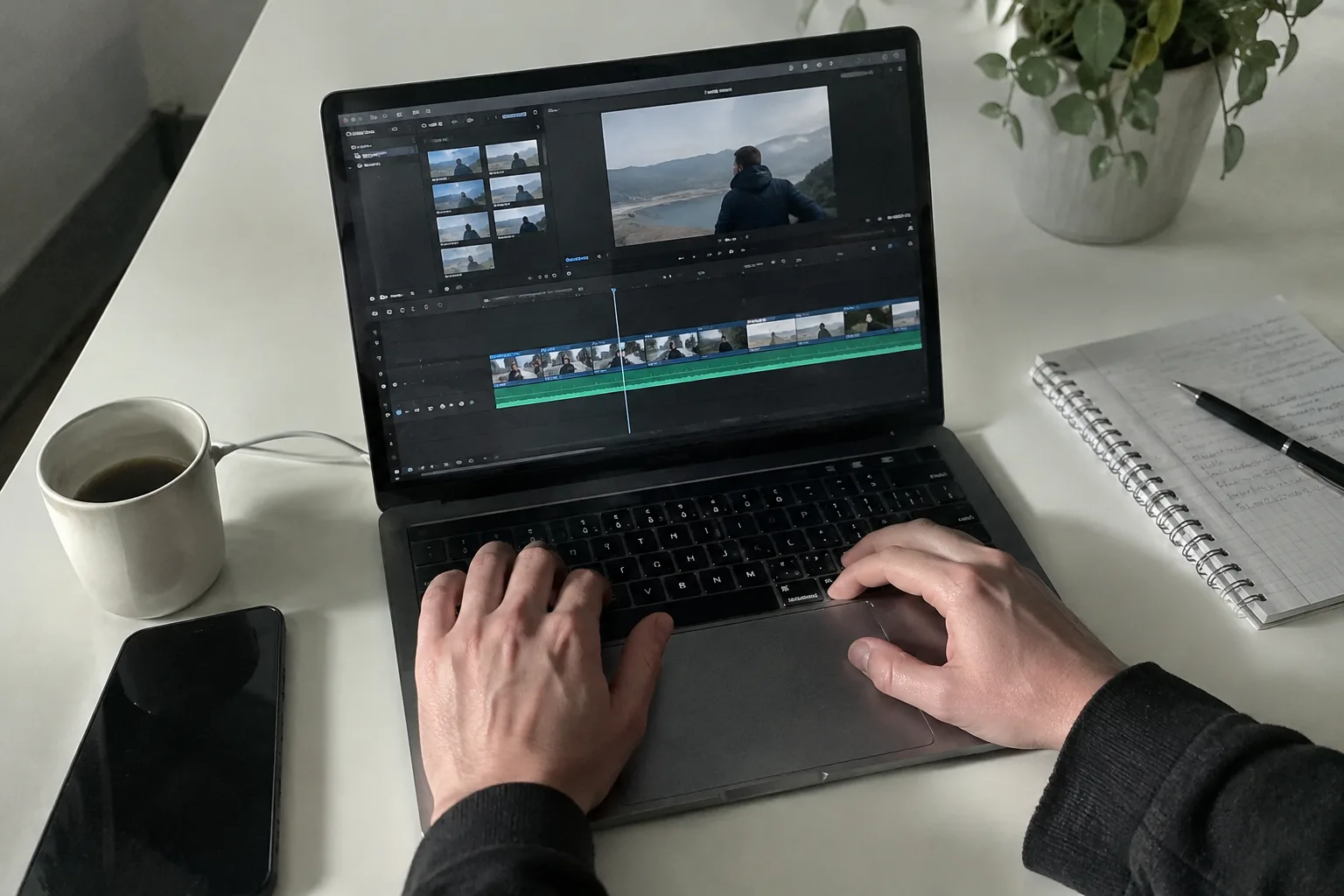
Smart content repurposing is the key to efficiency. Instead of filming each video three times, create one base version and make small but significant adjustments. According to industry estimates, this approach can save you up to 50% of your content creation time. Here's how to do it right:
- Change the Hook (the first few seconds): Adapt the opening text or voiceover to the audience. On TikTok, open with a provocative question; on Reels, with a promise of value; and on Shorts, by presenting the problem the video solves.
- Use local trending sounds: Each platform has its own sound library. Replace the original music with a popular sound on that platform to increase your chances of exposure.
- Adapt the on-screen text: The style, fonts, and placement of text differ. Use each app's built-in tools to make the text look "native" to the platform.
- Re-edit the pace: Sometimes all you need to do is slightly shorten the video for TikTok or add an extra explanatory slide for Shorts. Small changes in pacing can make a big difference.
- Write a different caption: The description on Reels can be longer and more detailed, while on TikTok it should be short and punchy, with relevant trend-based hashtags.
Creating Adapted Video Content with AI: The Automated Solution
The manual process of adapting content, while efficient, still requires time and understanding. This is where artificial intelligence technology comes in. Automated systems can take one central idea and generate different video variations from it, pre-adapted to the rules of each platform.
Imagine a system that learns your business, understands your key messages, and creates a short, snappy TikTok video with a trending sound, an aesthetic Reels video with tips, and an informative Shorts video for you—all from the same basic idea, and without you needing to film or edit.
Success in short video isn't measured by the number of videos you upload, but by the number of times you successfully match the right message to the right platform.
A key principle in digital marketing
What's Next?
You understand the importance of adapting your video content, and now it's time to act. Instead of feeling overwhelmed, start with small, measurable steps. First, choose one video idea and consider how you would adapt it for TikTok and Reels based on the table in this guide. Second, try applying one of the content repurposing tips to an existing video of yours.
If you feel the process is still complex or time-consuming, it's worth exploring an automated solution. A system like LunSoul Social can do all the work for you, from writing the idea to creating and publishing adapted videos on the different platforms. This way, you can enjoy all the benefits of video marketing and focus on what you do best—running your business.